NIV or NLT: Which Bible Translation Should You Choose?
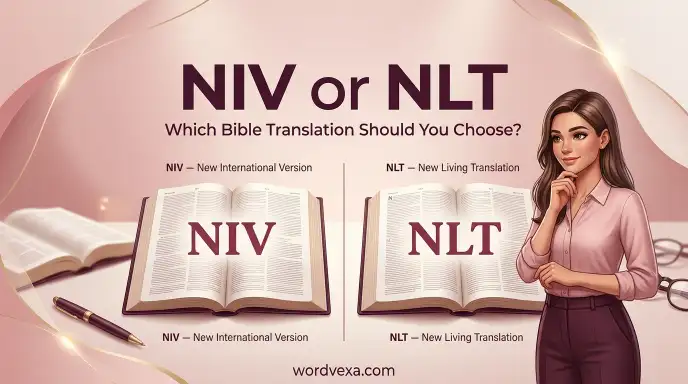
NIV or NLT refers to two different English Bible translations: the New International Version (NIV) and the New Living Translation ...
Read more
Elfish or Elvish: Which One Is Correct?
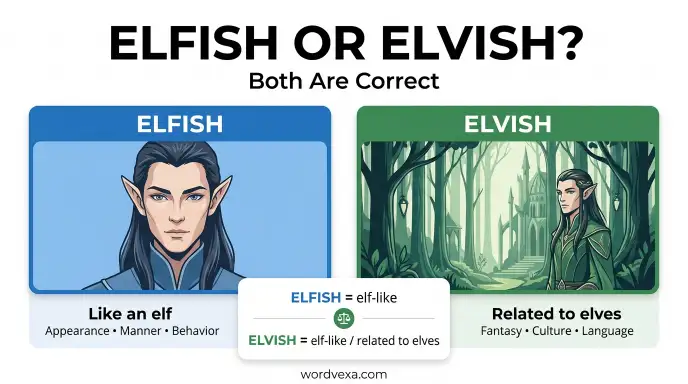
Elfish or elvish are both correct English adjectives meaning “like an elf” or “relating to elves.” These two words have ...
Read more
Aides or Aids: How to Use Each Word Correctly
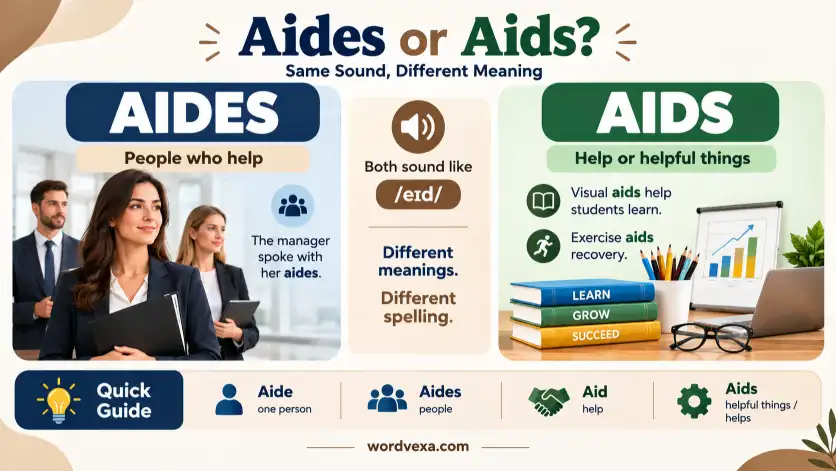
Aides or aids are different words with different meanings, even though they sound exactly alike in standard English. Aides refers ...
Read more
Cabbage or Lettuce: Key Differences, and Culinary Uses
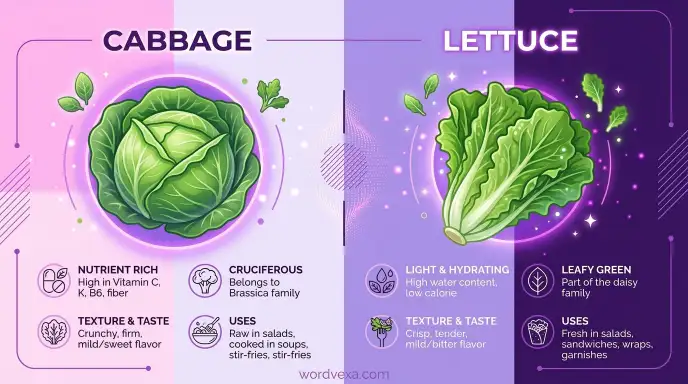
Cabbage or lettuce refers to two distinct leafy vegetables that are often confused due to their similar green, head-like appearance, ...
Read more
Fryed or Fried: Correct Spelling & Usage Rules
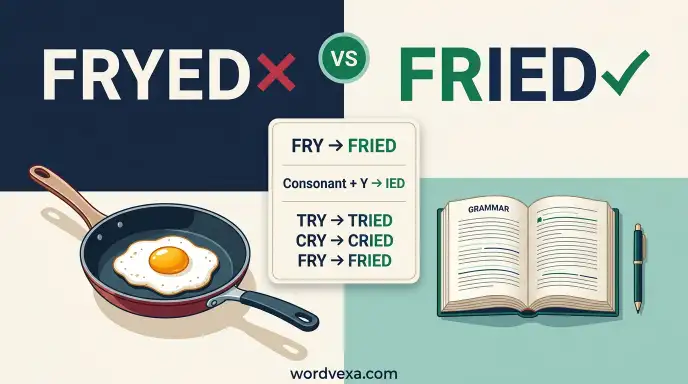
When it comes to fryed or fried, fried is the correct spelling. Fryed is a common spelling mistake, while fried ...
Read more
Criticising or Criticizing? A Global Spelling Guide
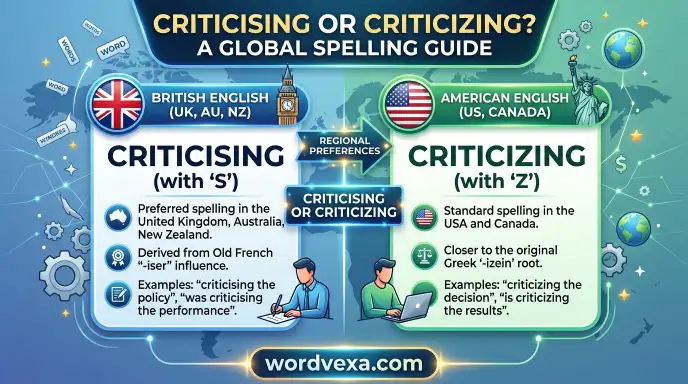
“Criticising” and “criticizing” are both correct spellings of the verb that means to express disapproval, point out faults, or evaluate ...
Read more
Drove or Driven: Examples, Rules & Common Mistakes
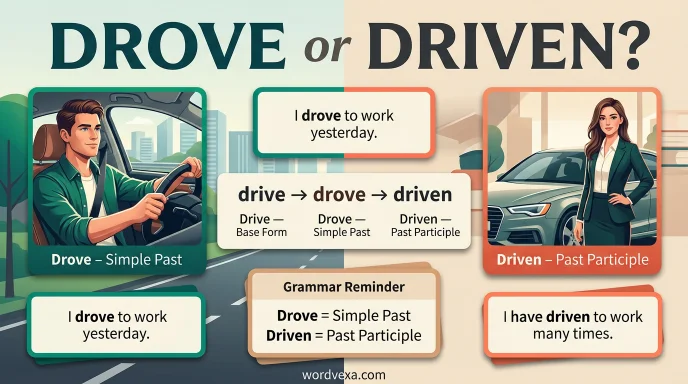
Drove or driven refers to two different forms of the verb “drive”: drove is the simple past form, while driven ...
Read more
Stank or Stunk: Which Form of “Stink” Is Correct?
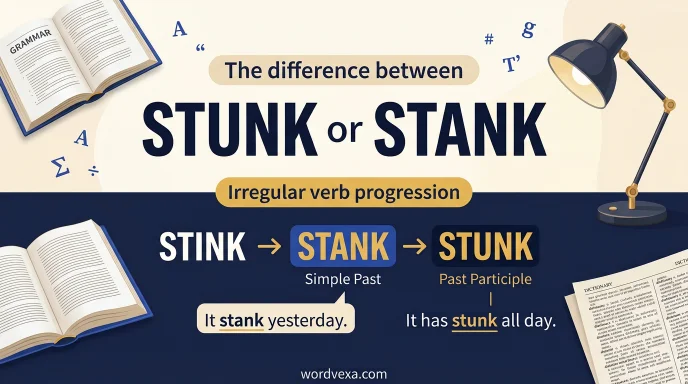
Stunk or stank are two forms of the irregular verb “stink,” meaning to have or produce a very unpleasant smell. ...
Read more
Imperfect or Preterite? A Clear Spanish Guide
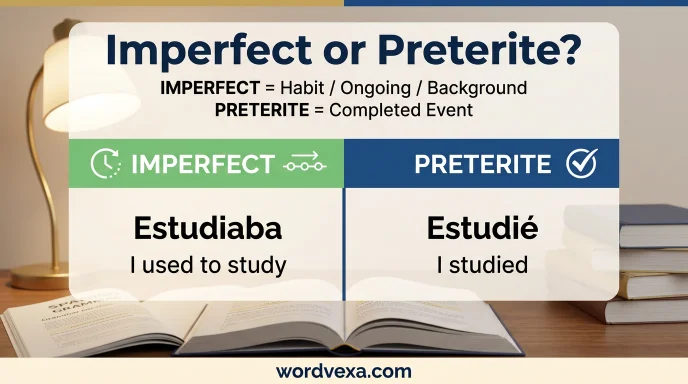
Imperfect or preterite refers to the two main Spanish past tenses used to describe past actions, with the imperfect focusing ...
Read more
Develops vs Developes: Which One Is Grammatically Correct?
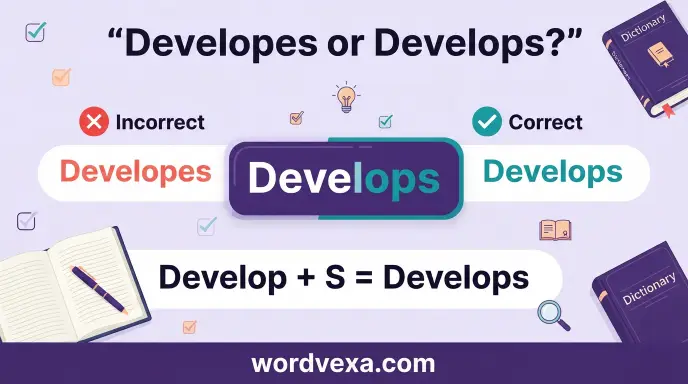
Develops is the correct spelling, while developes is incorrect in standard English. This common spelling question often causes confusion because ...
Read more







